


RFID Inlay Memory Explained: EPC, TID, User Memory & Reserve Memory
RFID tags contain several different memory areas, and each serves a different purpose. Understanding how EPC, TID, User Memory, and Reserve Memory work helps you choose the right RFID inlay and avoid problems when encoding tags.
The amount and type of memory varies by RFID chip. Some applications only require a basic EPC identifier, while others need additional memory for serial numbers, lot information, dates, or other application data. Your original guide identifies these four main memory areas and emphasizes checking the specific inlay data sheet when planning an application.
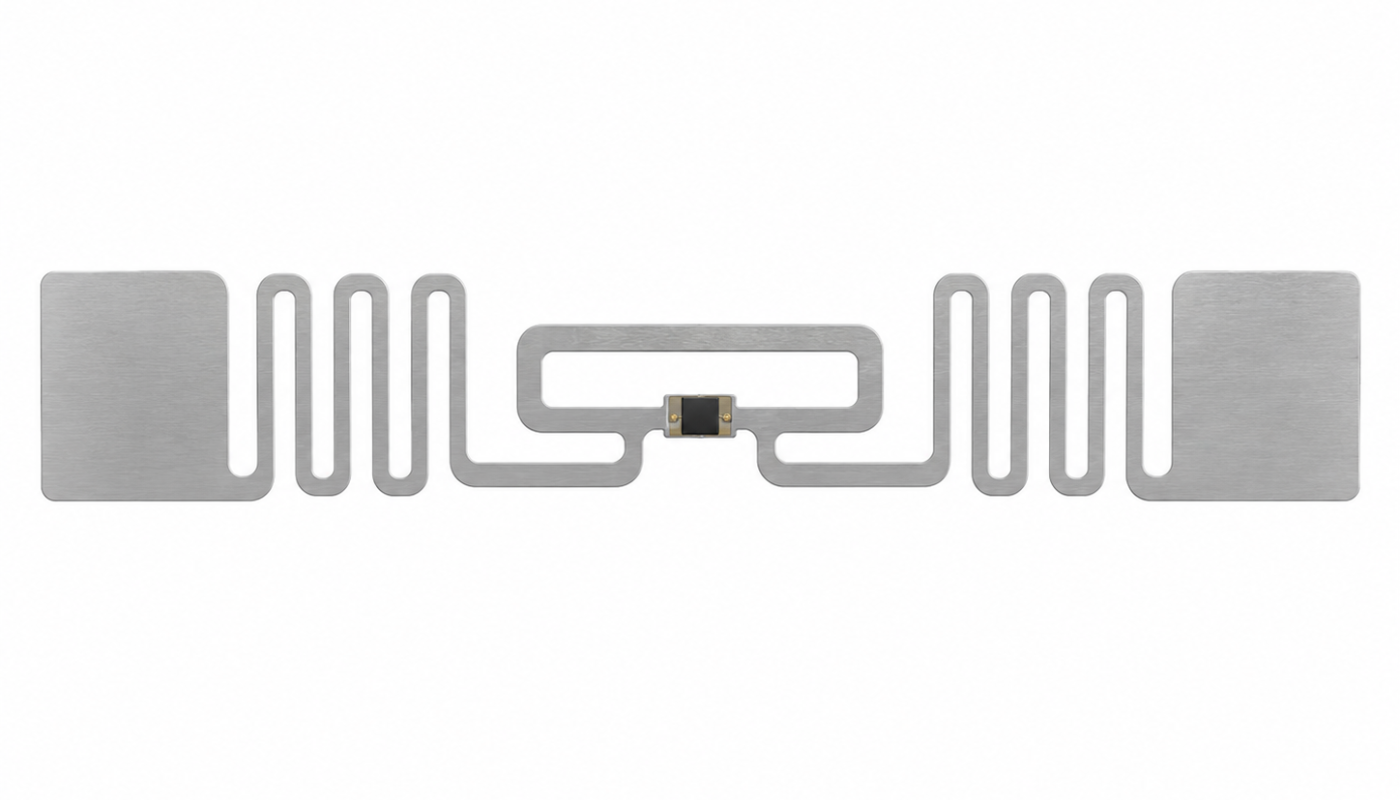
The Four RFID Memory Banks
TID
What It Does: Manufacturer-programmed and read-only
Typical Use: Identifies the chip manufacturer and chip type
EPC
What It Does: Primary editable RFID identifier
Typical Use: SKU, item ID, asset ID, lot number, or serial number
User Memory
What It Does: Optional additional storage
Typical Use: Serial numbers, dates, origin, warranty information, or application data
Reserve Memory
What It Does: Security/password memory
Typical Use: Access and Kill password functions
How Much Information Fits in 96 Bits?
A 96-bit field contains 12 bytes of data. That can represent approximately:
Your encoding method therefore matters. If more data is required, the application may need additional User Memory or an RFID chip with greater memory capacity.
Example RFID Memory Allocation
An application might use available memory like this:
- EPC Data — 44 bits Company prefix and SKU or item identifier
- User Data — 38 bits Serial number or other application information
- Future Use — 12 bits Reserved for additional data later
This is only an example application design. Actual EPC and User Memory capacities depend on the specific RFID chip and inlay.
TID
- Manufacturer-programmed
- Read-only
EPC
- Primary RFID identifier
- Commonly 96 bits or more
User Memory
- Serial, lot, date, origin, etc.
Reserve
- Access password + Kill password
TID is separate and read-only. Reserve memory is used for security/password functions.
EPC Memory or User Memory?
For most RFID applications, the EPC should contain the primary identifier that needs to be read quickly and consistently.
User Memory is better suited for secondary information that needs to travel with the tag, such as production data, serial information, dates, or other application-specific values.
Before selecting an inlay, determine:
- how much information must be encoded;
- whether that information belongs in EPC or User Memory;
- whether the data may need to be changed later;
- whether password or locking functions are required;
- what RFID printer and software will perform the encoding.
Choosing the Right RFID Inlay
Memory capacity is only one part of RFID inlay selection. Label dimensions, read range, tagged material, operating environment, printer compatibility and antenna performance can all affect the correct choice.
Barcode Factory can help evaluate the complete application and recommend an RFID inlay with the appropriate EPC capacity, User Memory, physical construction and read performance.
From Fortune 500 companies to your small business, 125,000+ companies trust our products, service, and support.












Our Top Partners
Barcode Factory is a premier partner with the industry's leading hardware, media, and software providers. We give our customers access to proven products, services, and resources for labeling and data capture applications.
Shop by Brands





Have an RFID Memory or Encoding Question?
Whether you need a standard 96-bit EPC tag or an inlay with expanded EPC or User Memory, our RFID specialists can help determine the right configuration before you purchase or deploy your labels.
Ask an RFID ExpertFor more information or to discuss your project, Contact Us or call 888-237-8525.