Start With the Requirement
Tell us whether your purchasing specification calls for BPA-free, BPS-free or phenol-free material. These terms describe different material requirements.
See Our Holiday Hours


Choose the right label material for your requirements and your printer.
Need BPA-free labels for shipping, inventory, retail or another labeling application? BarcodeFactory can help you identify direct thermal options and confirm the material information for the exact label you plan to order.
Confirm the material.
Match the printer.
Test the application.
Bisphenol A, commonly called BPA, has been used as a color developer in thermal paper. BPA-free direct thermal materials use a different formulation. Confirm the supplier's statement for the specific label material and part number.
Tell us whether your purchasing specification calls for BPA-free, BPS-free or phenol-free material. These terms describe different material requirements.
Use the part number and current material documentation to review the claim. A brand name or a general product category does not identify every material formulation.
Material selection also needs to account for printer fit, adhesion, handling, storage and how long the printed information needs to remain readable.
Read the material declaration alongside your application requirements.
| Material Claim | What It Addresses | What to Confirm |
|---|---|---|
| BPA-Free | Bisphenol A content or use, as defined in the supplier's declaration. | Whether the formulation also meets any BPS or other developer restrictions you specify. |
| BPS-Free | Bisphenol S content or use, as defined in the declaration. | Both BPA and BPS requirements if your purchasing policy covers both substances. |
| Phenol-Free | A broader claim about the thermal developer formulation. | The manufacturer's definition, supporting documentation and exact material covered. |
Ask for the documentation your specification requires. “BPA-free” is a material claim; it does not, by itself, establish third-party certification, food-contact suitability or approval for a medical application.
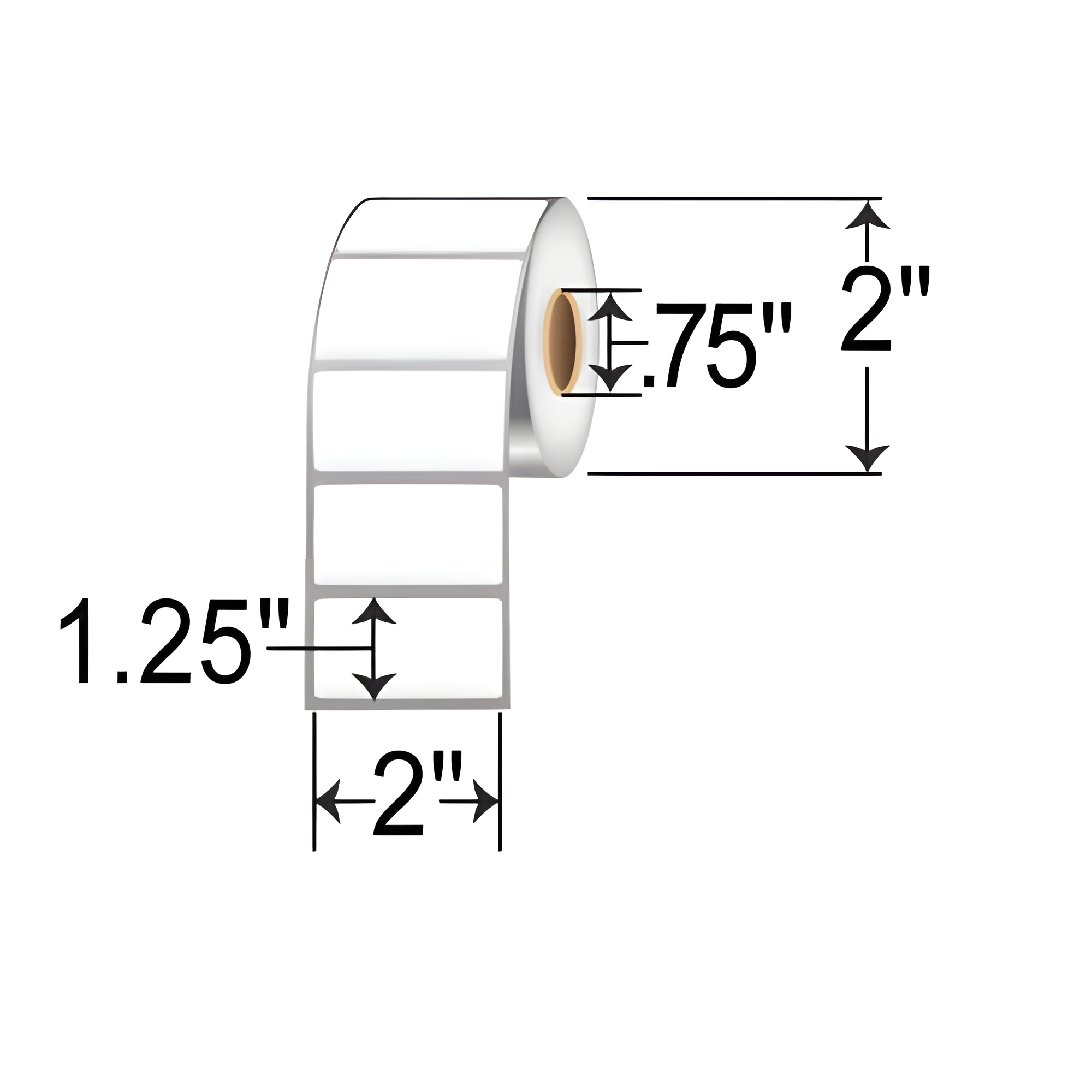
Share your printer make and model along with the label size and material requirements. We can help narrow the options before you order.
The material claim is one part of the selection. Confirm the full label construction for the actual task.
Match shipment labels to your printer, handling conditions and required label life.
Compare sizes and adhesives for product identification, stock control and shelf workflows.
Review the specified material, adhesion and durability needs for the intended labeling application.
Confirm packaging surface, temperature and any food-contact requirements separately from the BPA-free claim.
Send the current label part number, printer model, dimensions, expected quantity and the material declaration or certification your organization needs. If you are replacing an existing label, include its application and any performance issues.
Confirm the exact BPA, BPS or phenol requirement and ask which supplier documentation is available for the proposed label.
Ask about sample availability. Check printing, barcode readability, adhesion and handling using the intended printer and surface.
Review packaging, roll quantities and ordering requirements for the label that meets your material and performance needs.
Talk to BarcodeFactory about your printer and label requirements. We can help you review suitable options and available material documentation.
Material background: EPA information on thermal paper developers and BPA, BPS and thermal paper terminology.
From Fortune 500 companies to your small business, 125,000+ companies trust our products, service, and support.






Barcode Factory is a premier partner with the industry's leading hardware, media, and software providers. We give our customers access to proven products, services, and resources for labeling and data capture applications.
Shop by Brands


For more information or to discuss your project, Contact Us or call 888-237-8525.