Peak Temperature and Time
Share the maximum temperature, exposure duration and number of cycles. A construction rated for a brief process step may not suit extended exposure at the same temperature.
See Our Holiday Hours


Durable identification for high-temperature applications.
Match label materials to the heat, exposure time and process conditions they will encounter. BarcodeFactory can help you review blank thermal transfer, pre-printed and custom options for manufacturing and finished-product identification.
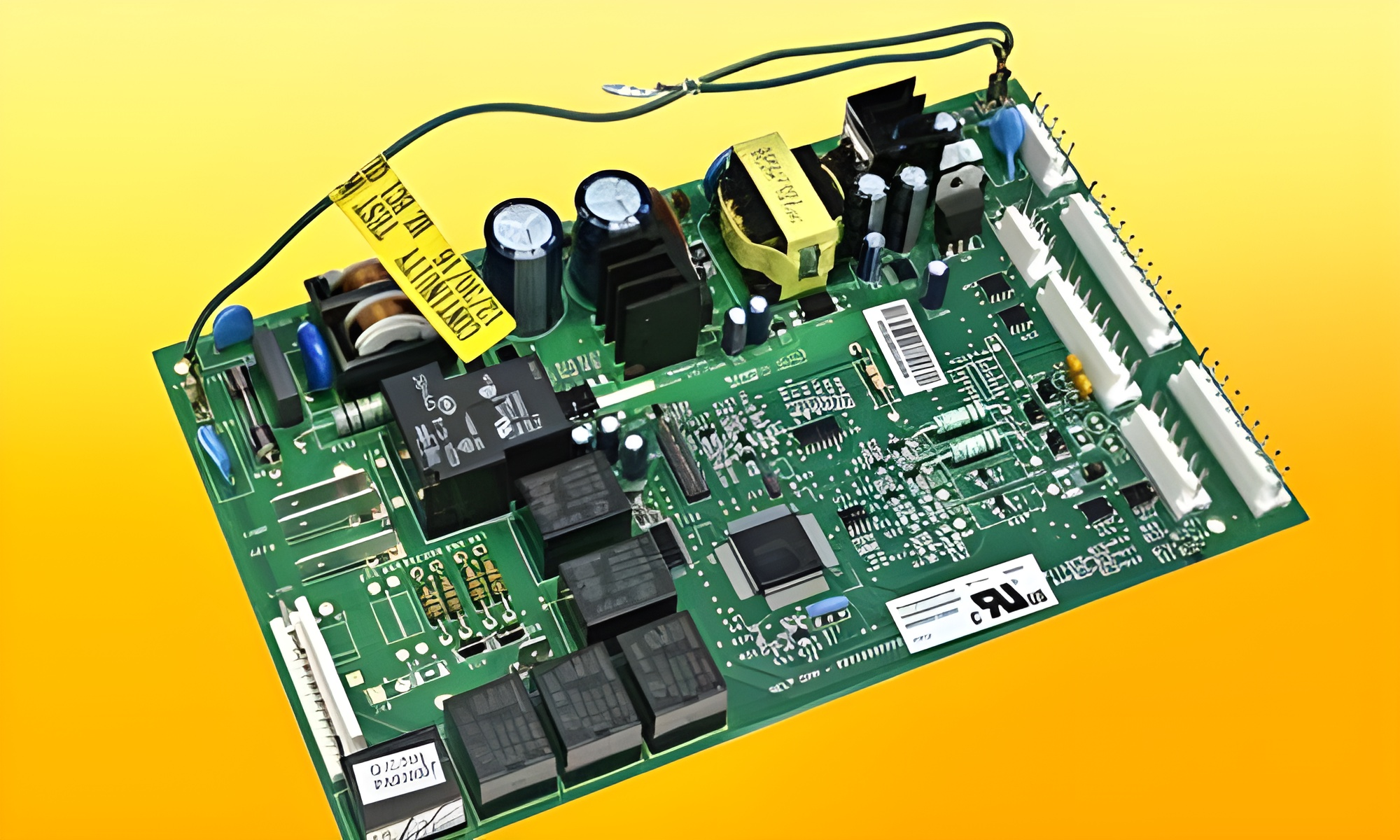
Labels can encounter elevated temperatures during production or after manufacturing. Engines, circuit boards and soldering processes may also expose identification to fluxes, solvents, abrasion and other chemicals.
Evaluate the face stock, coating, adhesive and printed image together. A material's short-term heat rating does not establish its continuous service temperature or resistance to every process chemical.
Share the maximum temperature, exposure duration and number of cycles. A construction rated for a brief process step may not suit extended exposure at the same temperature.
Specify the chemicals, handling and abrasion involved. Confirm performance for the exact construction rather than assuming heat resistance establishes all-around durability.
Describe the surface material and its temperature when labeled. Adhesive selection and application requirements can differ from the later service conditions.
Select around the labeling stage and the conditions encountered by the part or assembly.
The following constructions are examples to discuss with our team. Confirm the current data sheet, rating and test conditions for the exact product selected.
| Material Option | Construction Details | Selection Consideration |
|---|---|---|
| 2 mil Polyester | A moderate-heat option described with a rating up to 280°F. | Confirm adhesive, duration and service conditions for the exact construction. |
| 2.4 mil White Topcoated Polyimide | High-heat-resistant silicone adhesive and a 2.0 mil polyester liner. | Review temperature-and-time performance and print compatibility. |
| 1.4 mil White Topcoated Polyimide | High-heat-resistant acrylic adhesive and a 65 lb blue glassine liner. | Match the adhesive and coating to the surface and manufacturing process. |
| 1.6 mil White Topcoated Polyetherimide | Heat-resistant acrylic adhesive and a 65 lb blue glassine liner. | Confirm the complete construction's heat, chemical and handling specifications. |
Thickness or polymer name alone is not a heat rating. Different polyester, polyimide and polyetherimide products can have different performance limits. Use the selected product's temperature-and-time data.
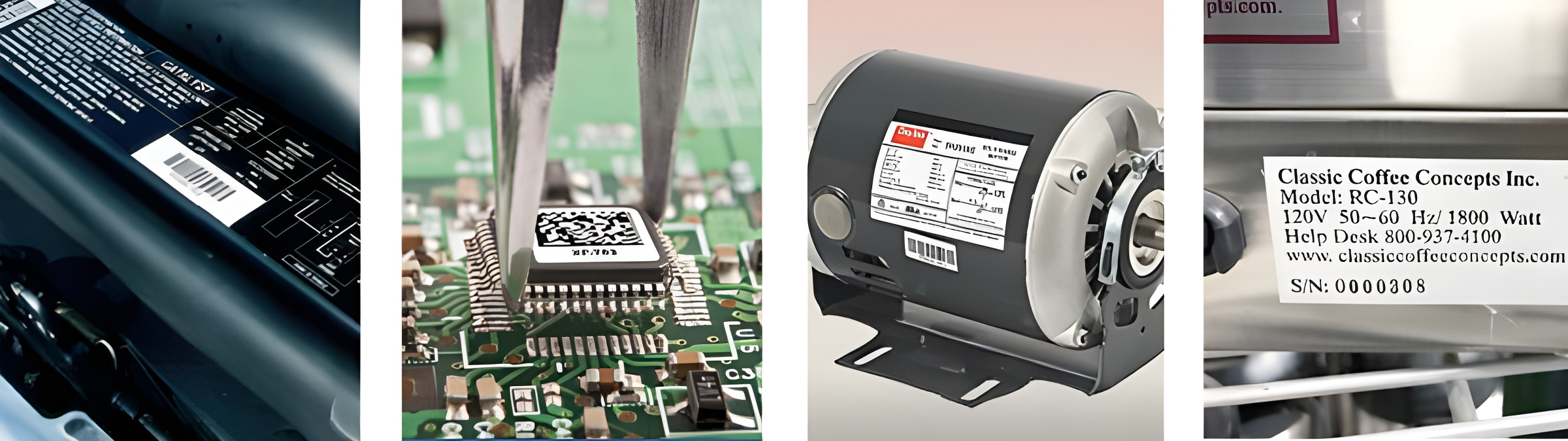
Choose the printing approach around your data, production process and required durability.
Print variable data on demand using a compatible printer and ribbon. Match the ribbon to the coating and required resistance, then check barcode and text readability after the process.
Discuss digitally pre-printed labels or pre-printed thermal transfer constructions when you need fixed graphics, text or other identification. Confirm that the finished printed label meets the process requirements.
A complete temperature profile and surface description help narrow the material and adhesive choices.
For extreme-temperature processes, describe the full profile. If your process reaches 1100°F or higher, state the peak and heating rate. The polymer label options listed above should not be assumed suitable; a different label or tag solution may be needed.
Ask about test options and assess the proposed label on the intended surface. Review adhesion, edge lifting, material condition and barcode readability after the relevant heating, cleaning and handling steps.
Send BarcodeFactory your application surface, temperature profile and printing requirements. We can help you review suitable stock, pre-printed or custom options.
From Fortune 500 companies to your small business, 125,000+ companies trust our products, service, and support.










Barcode Factory is a premier partner with the industry's leading hardware, media, and software providers. We give our customers access to proven products, services, and resources for labeling and data capture applications.
Shop by Brands




For more information or to discuss your project, Contact Us or call 888-237-8525.