Case Identification
Use consistent barcode data to identify produce cases as they move between supply-chain partners.
See Our Holiday Hours


Connect produce cases with clear product and lot identification.
PTI labels combine barcodes and human-readable information to support identification through the produce supply chain. BarcodeFactory can help you choose label materials, formats and printing options for cases, reusable containers and pallet workflows.
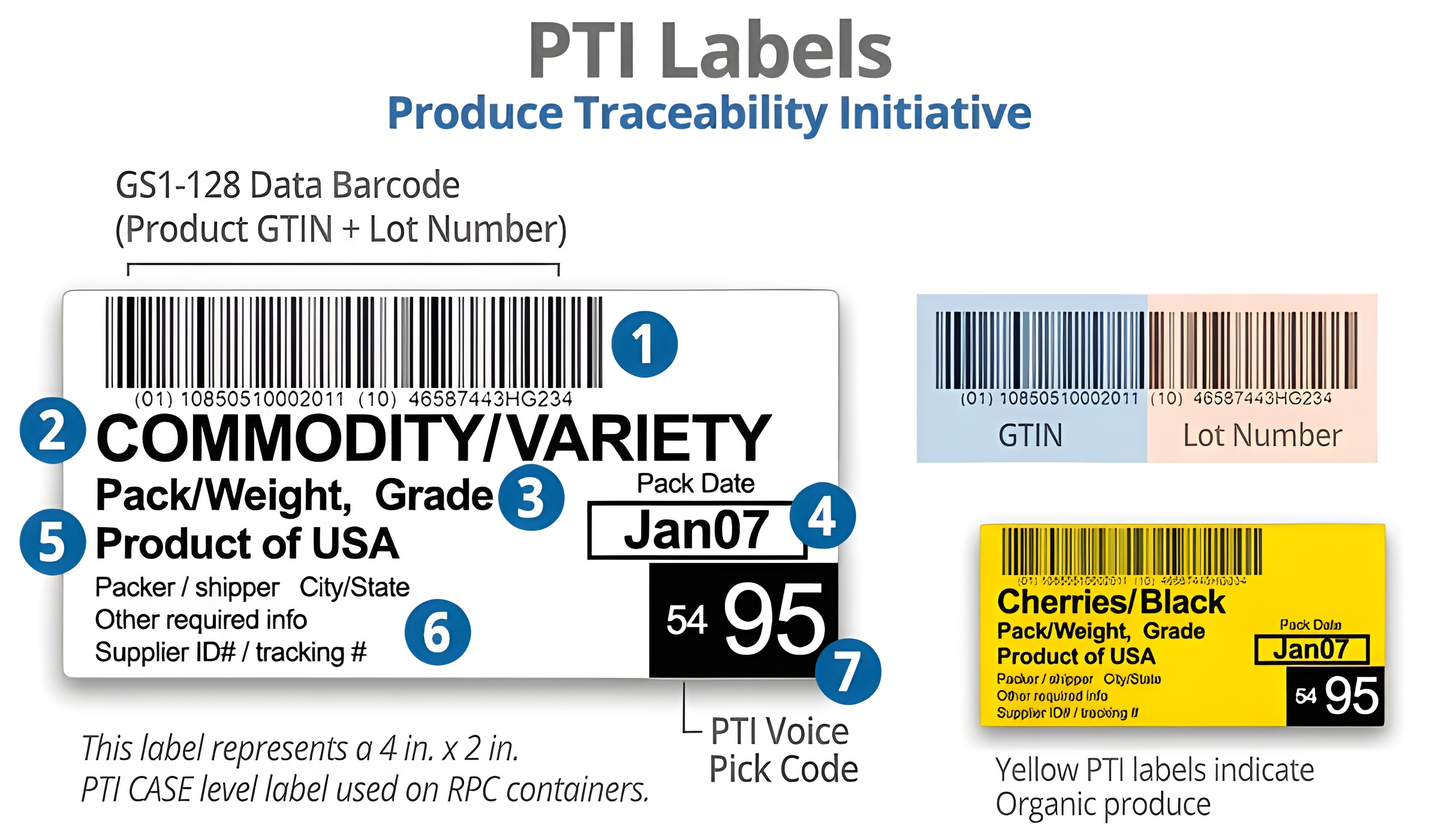
The Produce Traceability Initiative is an industry effort to standardize case identification and improve produce traceability. Labels work alongside systems that capture and retain the associated product and lot information.
Use consistent barcode data to identify produce cases as they move between supply-chain partners.
Present product names, pack information, dates and responsible-party details in a readable layout.
Match the label and adhesive to RPCs, cardboard cases or pallet packaging, including expected moisture and handling.
Use current PTI formatting guidance, GS1 data rules and buyer requirements to define the final layout.
| Element | Purpose and Planning Consideration |
|---|---|
| GS1-128 Barcode | Encode the GTIN and batch/lot information, plus date information as required by the selected format. Use the correct application identifiers and data syntax. |
| GTIN and Product Data | The brand owner assigns the appropriate trade-item identification and shares the associated product information with partners. |
| Human-Readable Information | Show readable product and traceability details. Follow the current layout, legibility and character-format guidance. |
| Pack Style and Quantity | Include the required count, weight or pack description near the product identification. |
| Dates | Use the date type, format and placement required for the product and trading partner. |
| Origin Information | Include the applicable country or growing-location details. |
| Packer or Shipper | Include responsible-party information and any permitted company branding. |
| Voice Pick Code | Use the prescribed four-digit code derived from the GTIN, lot and optional date for supported voice-directed workflows. Generate it with an appropriate implementation. |
Use current references. PTI publishes updated case-label examples and formatting guidance. Validate the encoded data, printed layout and barcode quality rather than treating an example image as a ready-to-use template.
Retained GTIN assignment reference PDF (2011). Use current GS1 guidance when selecting a numbering structure.
Compare the printing methods below. Confirm the exact material, adhesive, current program approval and container-placement requirements before ordering.
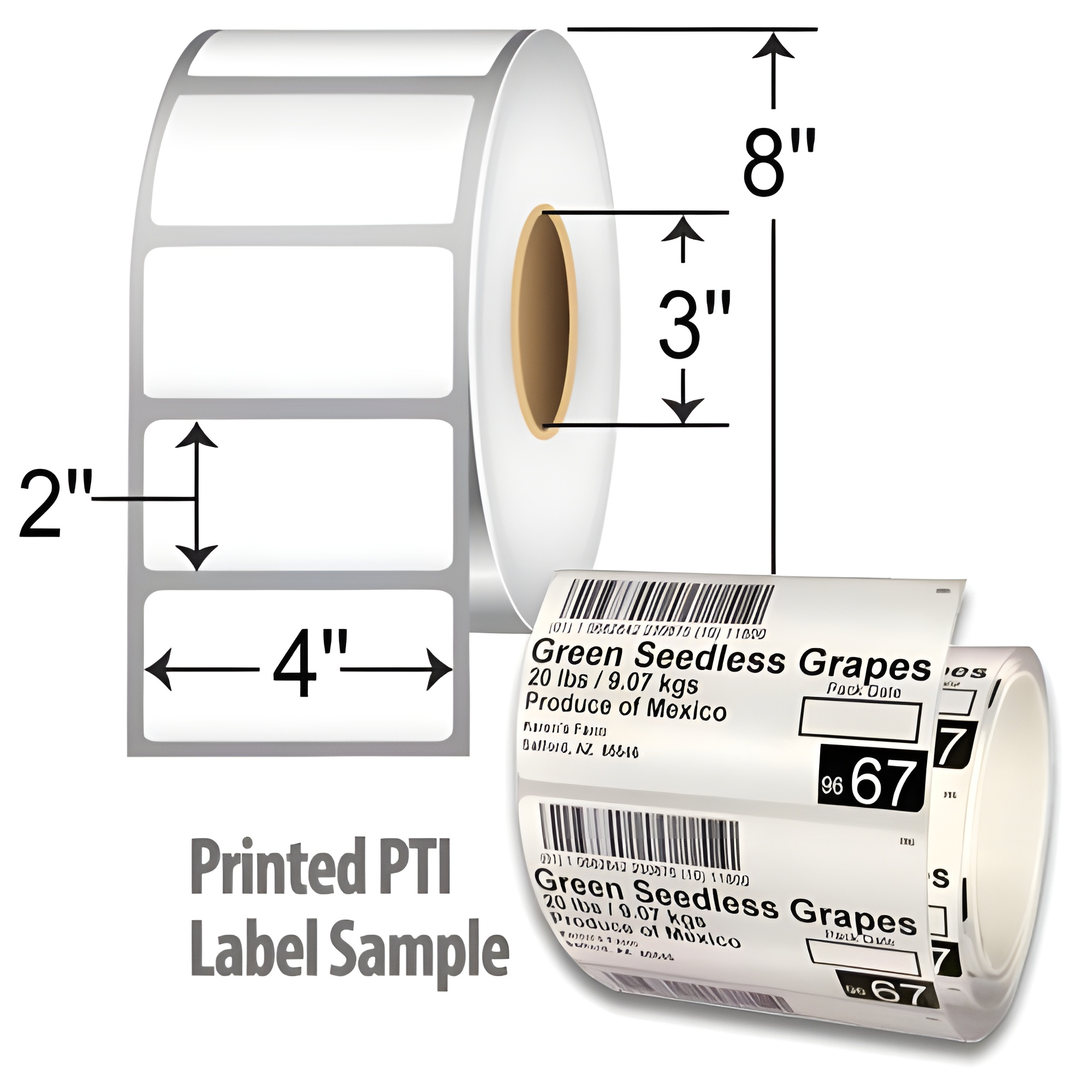
A direct thermal synthetic option that prints without a ribbon. The featured configuration uses a 3-inch core, 3,000 labels per roll and 4 rolls per case.
Request the exact direct thermal material and adhesive designation. Do not substitute the specification of a thermal transfer construction.
A thermal transfer option listed with Tech-Label RPCNC4312TT material and NCR4312 adhesive. The featured configuration uses a 3-inch core, 2,900 labels per roll and 4 rolls per case.
Use a compatible ribbon and confirm the final label-and-printer configuration.
Confirm current ordering details. Case, pallet and minimum-order quantities can vary. Product images illustrate the format and do not establish the supplied material's identity or approval.
Case and pallet formats serve different purposes. Match the content, material and placement to each use.
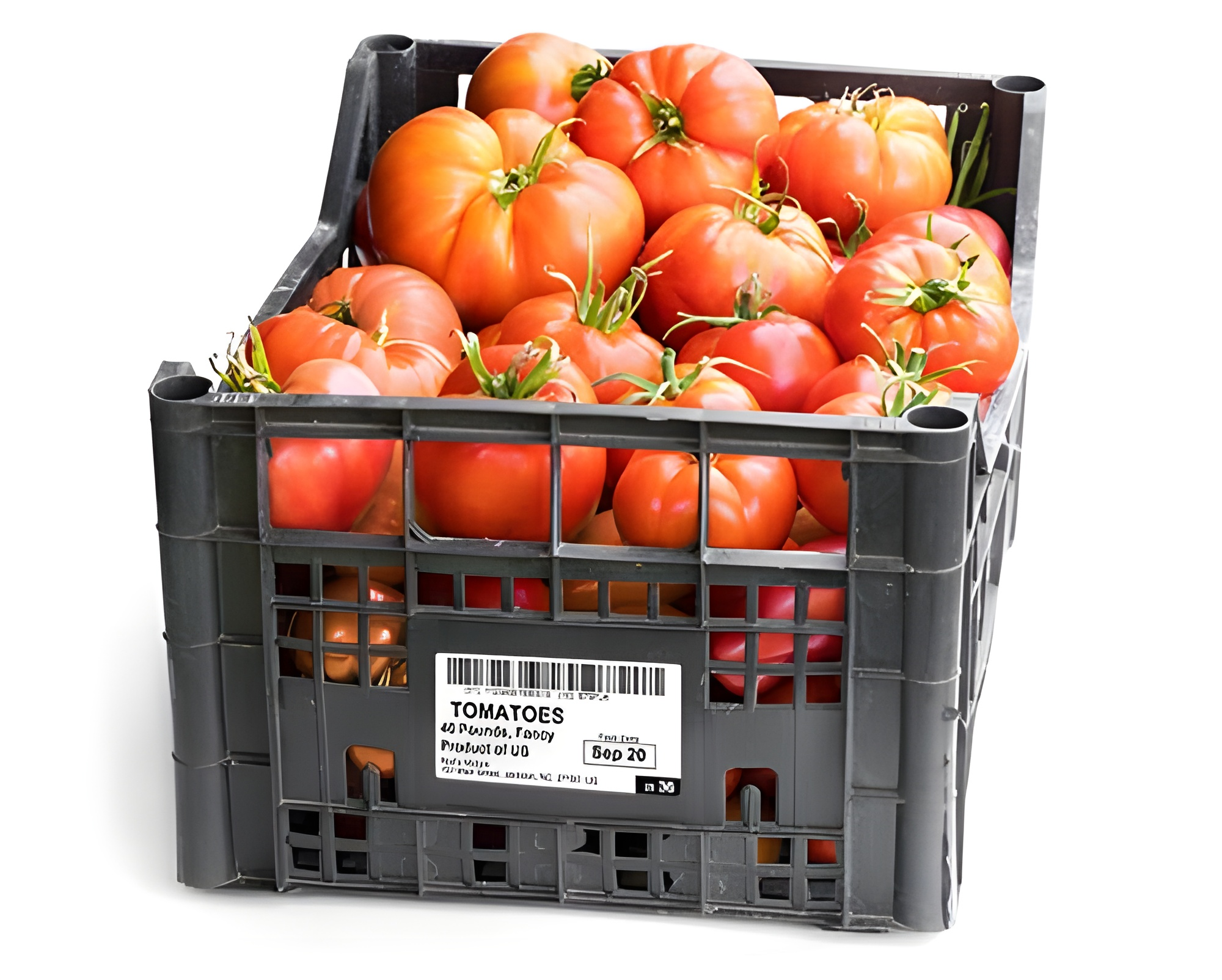
Common 4 × 2 formats for reusable containers require the approved material-and-adhesive combination and the provider's permitted placement.
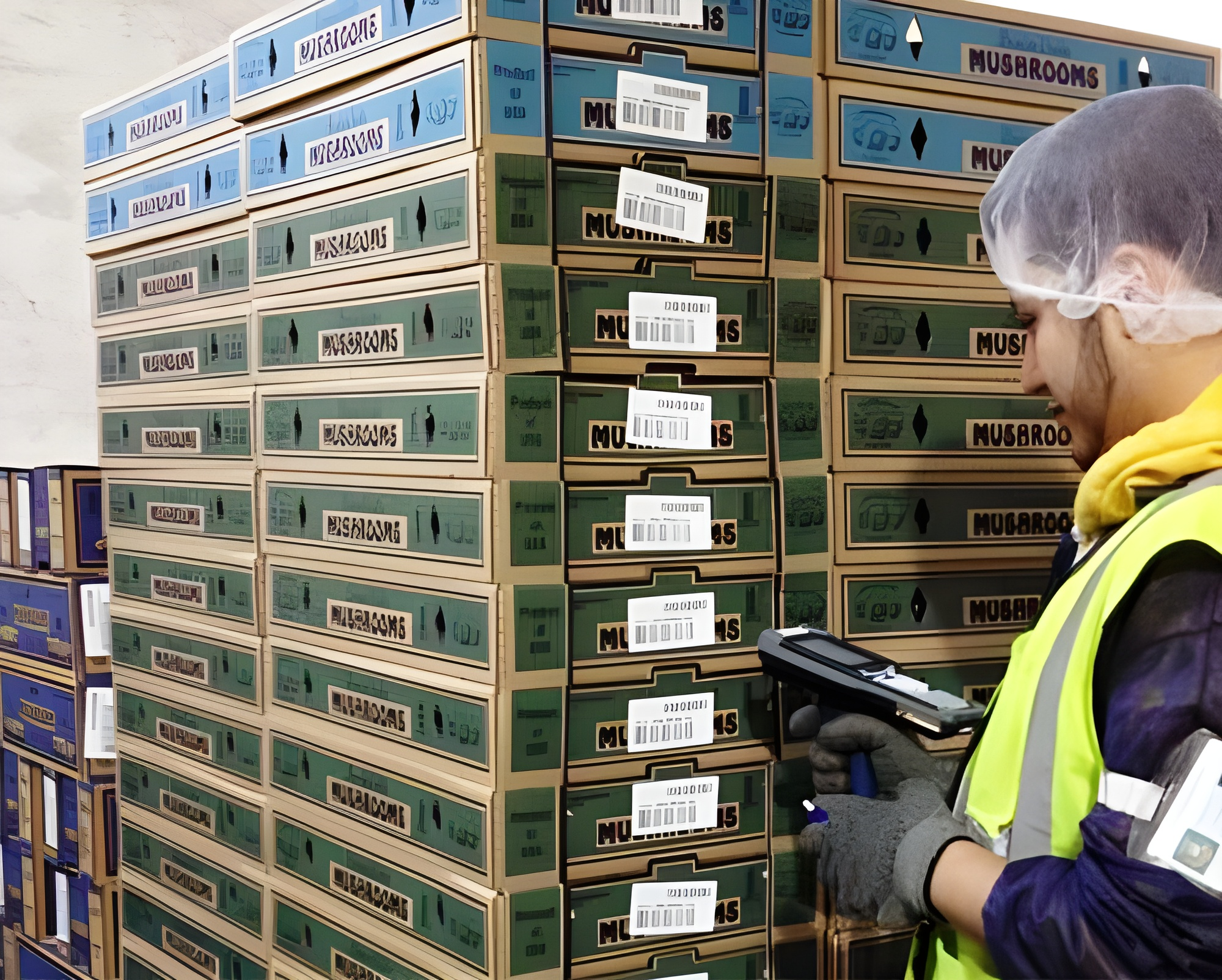
Case-level identification often uses a format around 4 × 2 inches, with layout and adhesion selected for the carton and trading partner.
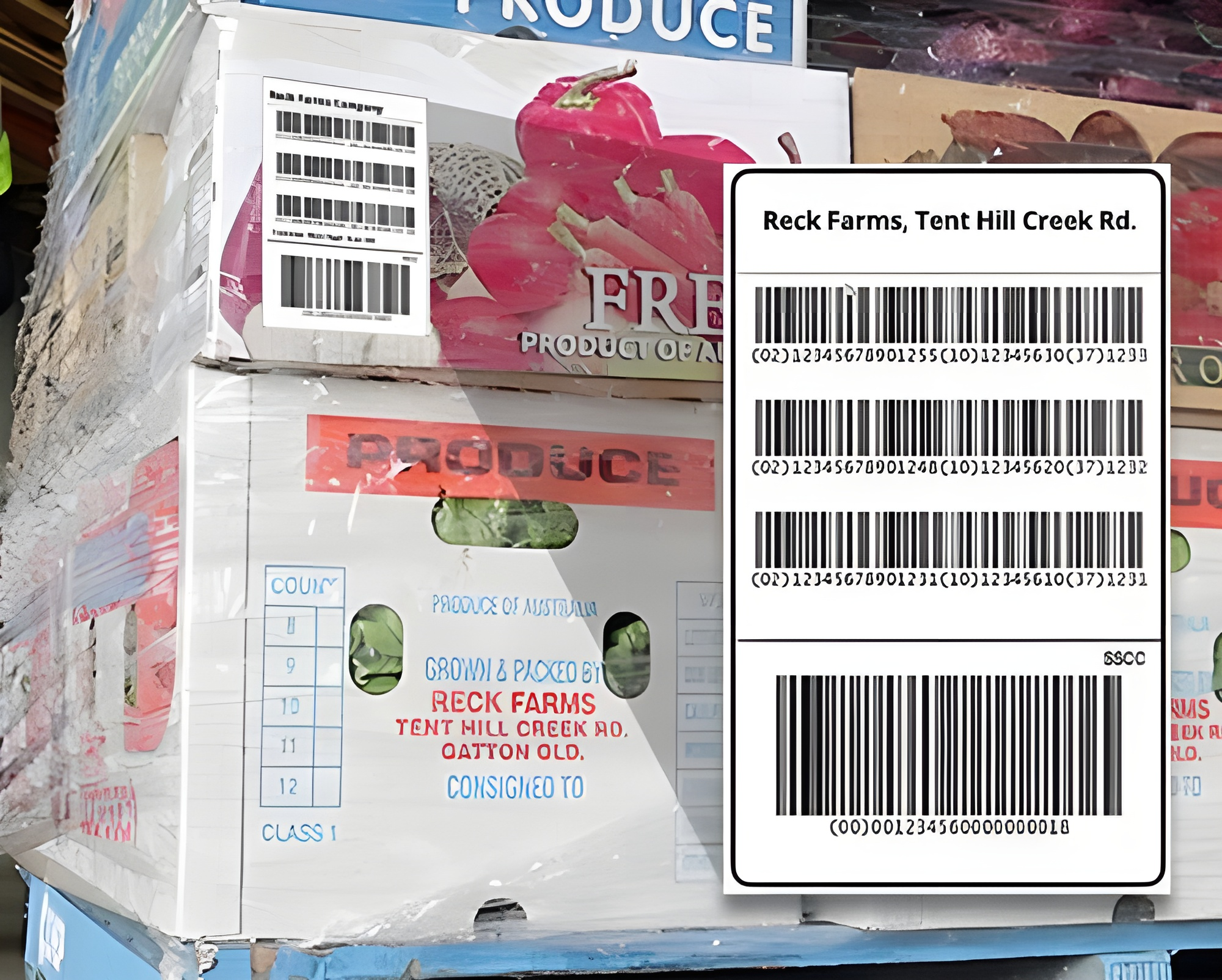
Larger formats such as 4 × 6 inches or longer can summarize pallet contents. Follow the applicable hybrid-pallet and buyer requirements.
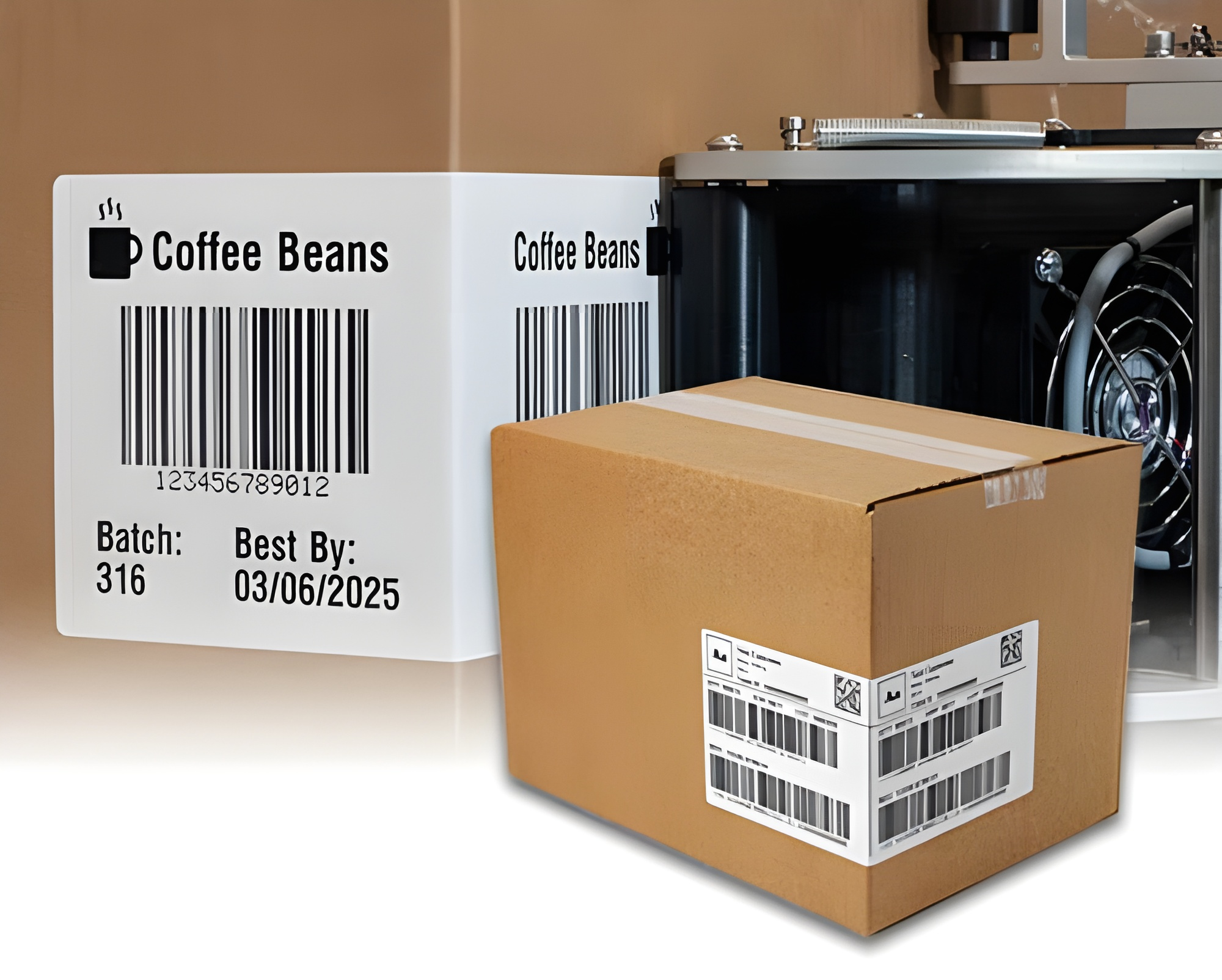
A label spanning two sides of a cardboard case can support identification from different directions. Confirm the design and application.
Keep the container rules separate. A corner label suited to a cardboard case is not a placement recommendation for an IFCO RPC. Likewise, a larger pallet label should not be applied directly to an RPC unless that use is permitted by the container program.
Use software and current industry guidance to create labels, validate data and support your receiving and shipping workflows.
Explore label design and printing options for product information and traceability data.
Review identification standards, GTINs, company prefixes and barcode implementation.
Find current industry resources, label examples and implementation guidance.
Share your label dimensions, printer model, barcode content, packaging type and expected conditions. BarcodeFactory can help you review stock or custom materials and formats for produce identification.
Talk to BarcodeFactory about your produce packaging, printer and traceability-label requirements.
From Fortune 500 companies to your small business, 125,000+ companies trust our products, service, and support.











Barcode Factory is a premier partner with the industry's leading hardware, media, and software providers. We give our customers access to proven products, services, and resources for labeling and data capture applications.
Shop by Brands



For more information or to discuss your project, Contact Us or call 888-237-8525.