Moisture and Handling
Evaluate the synthetic construction for wet conditions, handling and abrasion. Check that both the face stock and adhesive suit the exposure.
See Our Holiday Hours


Durable synthetic identification for demanding applications.
Kimdura label constructions use a coated, biaxially oriented, multilayer polypropylene face stock. Match the material, adhesive and printing system to your moisture, handling and exposure requirements.
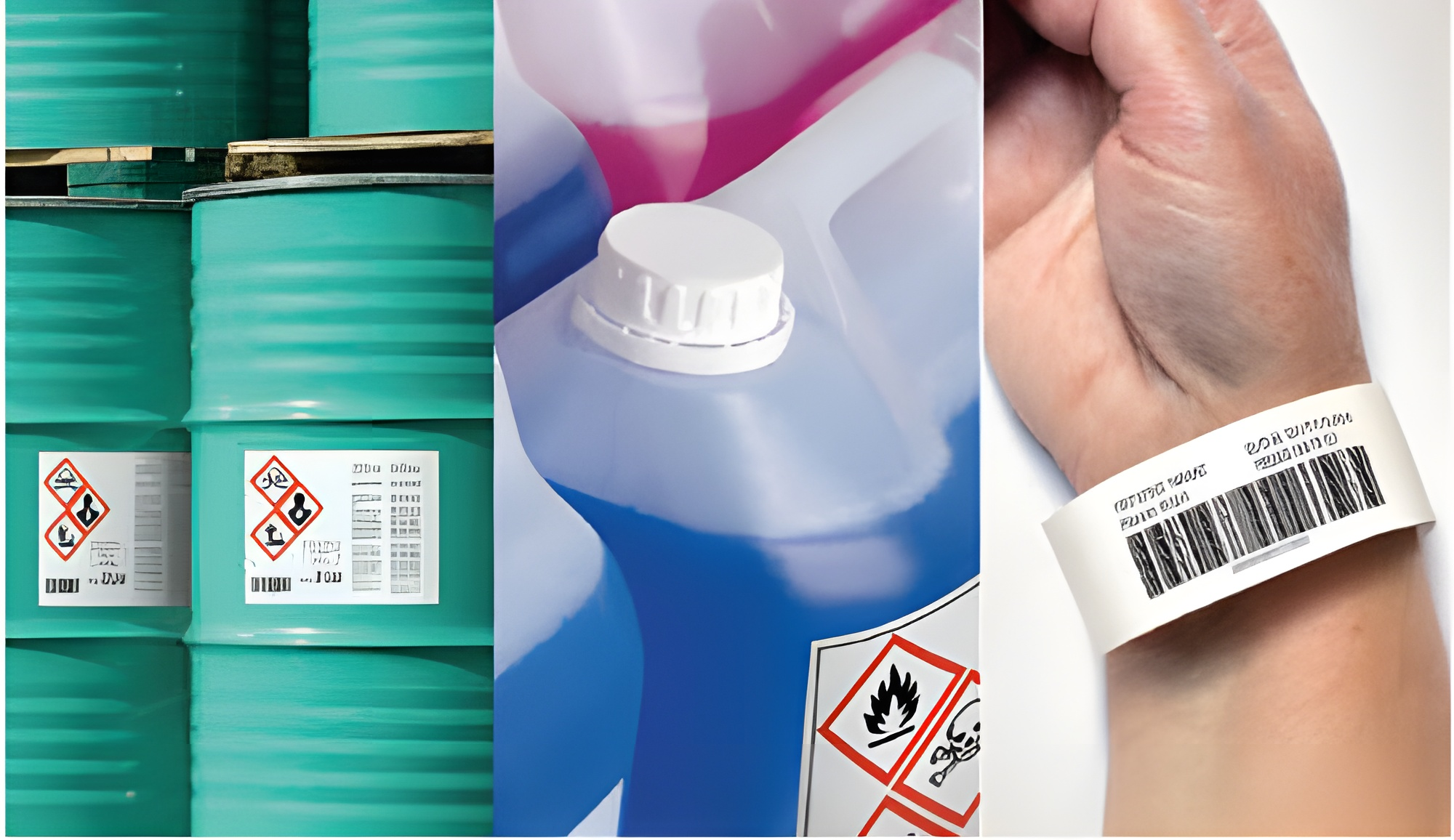
Kimdura can suit identification that needs greater resistance to tearing and moisture than ordinary paper labels. Chemical, smear and scratch performance depends on the coating, printed image and conditions of use.
Evaluate the synthetic construction for wet conditions, handling and abrasion. Check that both the face stock and adhesive suit the exposure.
Thermal transfer grades need a compatible ribbon and suitable printer settings. Test text and barcode readability after the relevant handling steps.
Select the adhesive for the material, curvature and application temperature. Available Kimdura products can use different adhesive constructions.
The profile below describes the permanent-adhesive construction featured in this guide. Confirm the current specification for your selected part number.
| Property | Profile |
|---|---|
| Face Stock | Coated, biaxially oriented, multilayer polypropylene. |
| Adhesive | Permanent adhesive for this featured construction; other stock options may use different adhesives. |
| Minimum Application Temperature | 25°F. |
| Service Temperature | -75°F to 200°F, subject to the selected construction's conditions. |
| Outdoor Durability | 6 months to 1 year, depending on exposure conditions and the complete printed label. |
| Resistance Considerations | Moisture, chemicals, tearing, smearing and scratching; evaluate the exact material-and-print combination. |
Application temperature and service temperature are different. The label must first be applied under the adhesive's specified conditions. The service range describes subsequent use, rather than permission to apply at every temperature in that range.
Review the construction for the identification task and expected environment.
Surfaces to evaluate include corrugate, paper, packaging films, most plastics, curved surfaces, stainless steel and glass.
Surface texture, cleanliness, curvature and temperature affect the bond. Confirm suitability on your actual container or part rather than relying on the surface name alone.
Test before a larger order. Evaluate adhesion, print quality and barcode reading with representative samples under the conditions the label will encounter.
Explore alternative finishes and constructions for your application.
Share your label dimensions, application surface and exposure conditions. BarcodeFactory can help you review suitable materials, adhesives and printing options.
Include your printer model, current label part number if known, dimensions, surface and required performance.
From Fortune 500 companies to your small business, 125,000+ companies trust our products, service, and support.










Barcode Factory is a premier partner with the industry's leading hardware, media, and software providers. We give our customers access to proven products, services, and resources for labeling and data capture applications.
Shop by Brands




For more information or to discuss your project, Contact Us or call 888-237-8525.